What is Interstate Moving and How Does It Work?
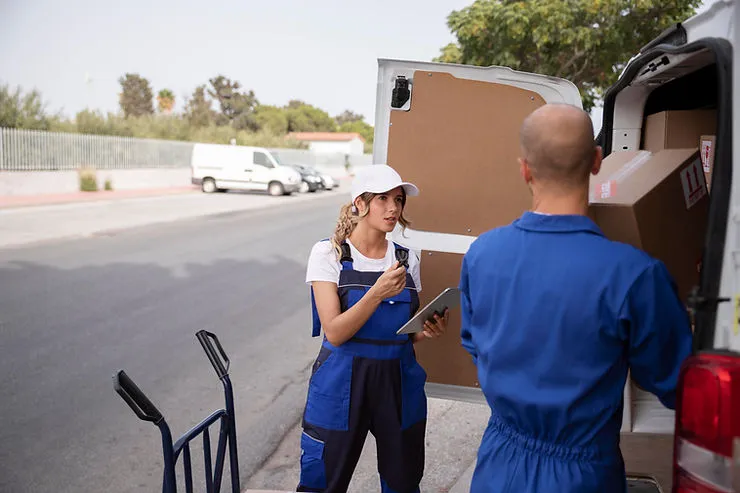
Interstate moving generally refers to transporting personal belongings between states. Depending on how a shipment is routed and where it begins and ends, FMCSA rules can apply even when the moving truck itself does not cross a state line. Choosing the best movers in OKC can make a significant difference in ensuring that your relocation is safe, efficient, and properly managed.
Interstate moves must comply with applicable federal requirements, including FMCSA rules for qualifying household-goods moves. When comparing companies, look for the credentials and insurance required for the service rather than assuming that one registration or identification number covers everything. Careful preparation, from securing quotes to confirming schedules, ensures that every step proceeds smoothly and your move stays on track.
Overview of Interstate Moving
Planning an interstate move involves understanding how belongings are transported across state lines and the rules that apply. Familiarize yourself with the specific regulations governing interstate moves, as they differ from local relocations.
Create a detailed inventory of your possessions, noting their condition and value, to keep track of everything in transit. Consider the overall size and weight of your items when deciding on the right type of transportation.
Research reputable moving companies that specialize in interstate services, and compare several quotes to find the best fit for your needs. Schedule your move well in advance to secure preferred dates and ensure flexibility. Don’t forget to update your address with banks, subscriptions, and other essential institutions to prevent mail disruptions.
Hiring a Professional Moving Company
Hiring a skilled and trustworthy moving company is key to a successful interstate relocation. Begin by asking people you trust or professionals, such as real estate agents, for recommendations.
For an interstate move, look for a mover with the appropriate authority for the service and required insurance. Request written estimates from several companies and compare the services offered.
Check online reviews to understand how dependable each company is and whether they have a proven history of successful long-distance moves. A professional mover with the right credentials and a reputation for quality service can give you confidence that your relocation will be handled carefully and efficiently.
Understanding Regulations and Requirements
Federal regulations play an important role in maintaining safety and transparency during an interstate move. The FMCSA oversees these regulations to protect consumers and promote accountability among movers. Use the FMCSA mover database to verify that an interstate mover or broker is registered, has the appropriate authority for its role, and has insurance. A USDOT number helps identify a carrier in FMCSA records, but a USDOT number alone does not prove that a mover is authorized to transport household goods interstate.
For an interstate household-goods move, movers must provide the booklet “Your Rights and Responsibilities When You Move,” and FMCSA’s “Ready to Move” brochure. These materials outline key information about documents, insurance coverage, claims, and your rights as a customer. Reviewing them before signing a contract helps you make informed decisions and reduces the risk of unexpected issues during your move.
Logistics of Interstate Transportation
Coordinating the transportation of belongings across states requires detailed organization. The process begins with selecting the appropriate mode of transport, such as a moving truck or container, based on distance, volume, and timing. Effective planning includes determining the best routes, scheduling timely pickups, and confirming delivery arrangements.
Communication with drivers and support staff helps monitor shipments and address any concerns that may arise during transit. Maintaining all required permits and documentation ensures there are no delays or compliance issues along the way.
Packing and Preparation for the Move
Proper packing is one of the most vital aspects of interstate moving. Creating a comprehensive inventory helps ensure that no items are lost or misplaced. Using durable materials such as double-walled boxes, sturdy tape, and cushioning prevents breakage and wear during transport. Fragile items, including glassware and electronics, should be wrapped individually and labeled clearly.
Professional movers often provide specialized packing services that simplify the process and add an extra layer of protection. Each box should be labeled by room and contents to make unpacking quicker at the new location.
Finalizing Your Interstate Move
Once packing and transportation are arranged, the final steps bring everything together. Confirm the moving date, verify that all necessary permits and documents are in order, and double-check your inventory list. Coordination with the movers ensures that loading, travel, and delivery are completed without delays.
Reviewing contracts and insurance coverage before departure avoids last-minute issues. Staying in contact with your movers and tracking your shipment helps ensure that your belongings arrive safely at your new home.