How to Ship Your Belongings to Another State
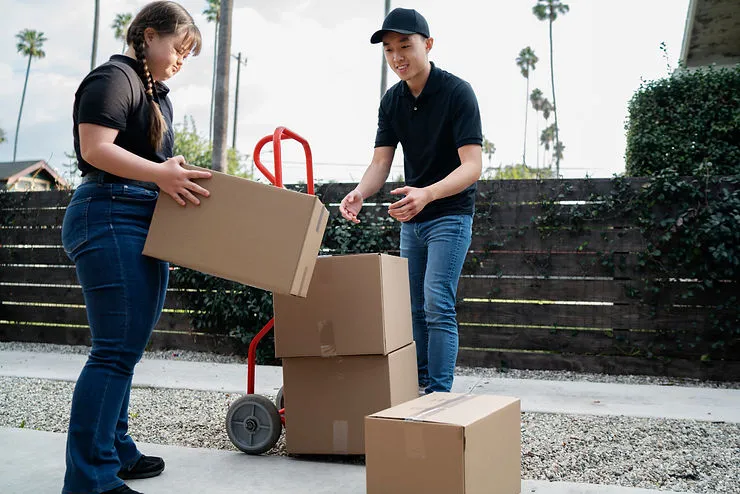
When planning to ship your belongings to another state, start by identifying the type of provider that fits your move, such as an interstate household-goods mover, parcel carrier, freight carrier, or container service. Check customer reviews, read the provider’s current service terms, and pack using sturdy materials to prevent damage during transit.
Review the provider’s service rules and any requirements that apply to what you are shipping to avoid delays. Label boxes clearly, maintain a detailed inventory to simplify unpacking, and use available tracking tools to follow the shipment.
Choosing a Reliable Shipping Company
Selecting the right moving or shipping company is the foundation of a successful out-of-state move. Research companies with positive customer reviews and confirm credentials through the regulator’s or provider’s current records. If you hire an interstate household-goods mover, use the FMCSA mover database to verify registration, the appropriate authority for its role, and insurance.
Always request multiple quotes to compare services, stated delivery windows, and coverage or valuation terms. A dependable provider should explain pricing and responsibilities in writing. Asking about a provider’s experience with interstate relocations can also help ensure your belongings are managed by professionals familiar with long-distance logistics.
Decluttering and Organizing Before Shipping
Before packing, take the time to declutter your home and decide which items are worth bringing along. Sorting your belongings by category or room makes the process smoother and helps you identify duplicates or unused items. Consider donating, recycling, or selling things you no longer need to lighten your load and reduce shipping costs.
Keep an organized inventory list to track what’s being shipped. Using labeled bins or color-coded boxes adds structure, ensuring that unpacking at your new location becomes more efficient and stress-free.
Packing Your Items for Safe Transport
Quality packing materials are key to protecting your belongings during transit. Use heavy-duty moving boxes, bubble wrap, packing paper, and foam inserts to prevent movement inside boxes. Secure fragile items individually, fill gaps with padding, and label each box by content and destination room.
For clothing, wardrobe boxes are ideal to prevent wrinkles. Larger furniture should be wrapped in moving blankets or shrink wrap for added protection. Sealing boxes tightly with packing tape and marking fragile items clearly will reduce the risk of damage and ensure smooth unloading.
Understanding Shipping Rules
Shipping rules vary by provider and by what is being shipped, so review the actual service terms before your belongings are picked up. Focus on the following key areas:
- Weight and Size Restrictions: Confirm that your packages meet the provider’s current weight and dimension limits.
- Prohibited or Restricted Items: Some items, such as perishables, hazardous materials, and electronics containing batteries, may be prohibited or restricted depending on the provider and service. Verify the provider’s current rules in advance.
- Required Documentation: Specialized or high-value goods may have provider-specific paperwork or declared-value terms. Confirm the requirements directly before pickup.
- Proper Labeling: Follow the provider’s address, label, marking, and documentation instructions to help prevent a rejected shipment.
By understanding these requirements early, you can reduce preventable delays, rejected shipments, and unexpected charges during your move.
Labeling and Creating an Inventory System
A clear and detailed labeling system helps prevent confusion when unpacking. Label each box with its contents, destination room, and a reference number that matches an inventory spreadsheet or checklist.
Keep both a physical and digital copy of your inventory for easy access. Using color-coded markers or stickers can simplify identification during loading and unloading. This organizational step ensures accountability, minimizes loss, and gives you full visibility into your shipment.
Tracking and Confirming Delivery
Once your shipment is en route, take advantage of tracking features provided by your shipping company. Monitor your delivery status through tracking numbers, and maintain open communication with your carrier for updates or delivery instructions.
Upon arrival, carefully inspect your belongings and compare them with your inventory list. Reporting any issues promptly helps guarantee proper handling and resolution. These actions ensure that your items arrive safely, intact, and on schedule.