How to Wrap Furniture for Moving: Protect Your Valuables

Moving households requires careful planning, especially when it comes to protecting valuable furniture pieces. Without proper techniques, even the sturdiest items can suffer damage during transit. Many families now opt for comprehensive moving services that include professional packing, but understanding proper wrapping methods remains valuable whether you're doing it yourself or verifying the work of hired movers.
Importance of Furniture Wrapping
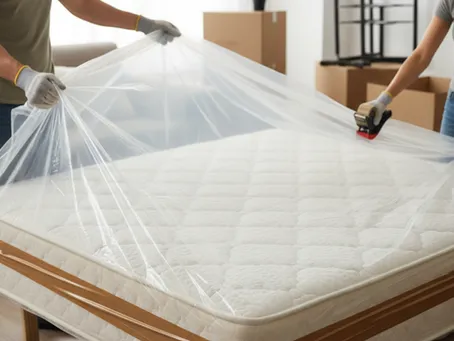
Wrapping furniture before moving is crucial to protect it from scratches, dents, and other damages during transportation. Properly wrapped furniture arrives at its destination in the same condition as when packed. Materials like moving blankets, bubble wrap, or stretch wrap create a protective barrier that shields your furniture from potential harm. Without proper wrapping, furniture becomes vulnerable to scratches from other items, dents from accidental bumps, or damage from shifting during transit.
Necessary Supplies for Wrapping
To properly safeguard your furniture during a move, you'll need essential supplies such as moving blankets, bubble wrap, and stretch wrap. Moving blankets provide thick protection against scratches and dents, especially for larger items like dressers or tables. Bubble wrap excels at protecting delicate surfaces and intricate details from impact and abrasion. Stretch wrap secures blankets and bubble wrap in place, preventing shifting during transit.
Preparing Furniture for Wrapping
Before starting the wrapping process, ensure all furniture items are thoroughly cleaned and free of debris or loose parts. Wipe down surfaces to remove dust or dirt that could cause damage during the move. Check for small items like screws or knobs that might have loosened and secure them properly. Disassemble any parts that can be taken apart to simplify wrapping and prevent damage.
Techniques for Wrapping Furniture
Following proper wrapping techniques ensures maximum protection throughout the moving process. Consider these key approaches when wrapping furniture items: Use the Right Materials, Disassemble When Possible, Wrap Securely, and Protect Fragile Parts. Start from one end and wrap tightly, ensuring no areas remain exposed.
Additional Tips for Protecting Furniture
Beyond basic wrapping methods, additional techniques can help guarantee furniture safety and integrity during moves. Disassembling furniture makes transportation easier and reduces damage risk. Keep components like screws in labeled bags for straightforward reassembly. Using furniture sliders or blankets prevents scratches on floors and walls when moving bulky items.