How to Transport Pet Fish When Moving: Key Considerations and Tips
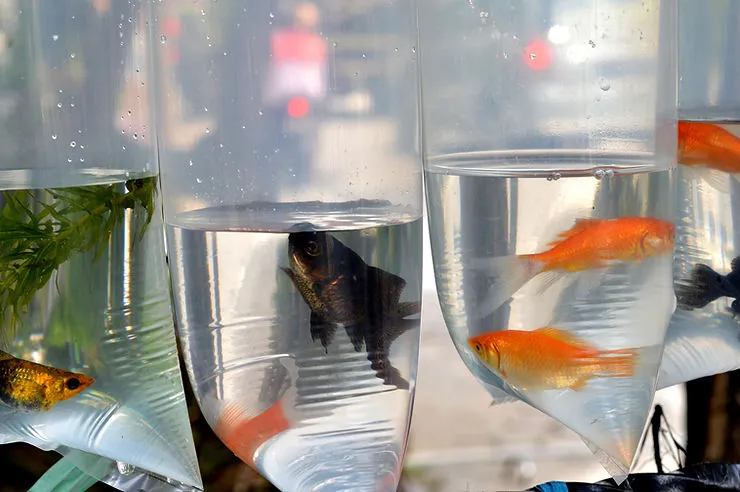
Moving with pet fish requires planning around the species, their health, the trip, the transport container, and the destination aquarium. Fish can be harmed by poor water quality, temperature changes, rough handling, or an unprepared destination. Use this as general moving guidance, and consult an aquatic veterinarian or qualified aquarium professional for a long trip, sensitive species, an illness concern, or any setup beyond ordinary home-aquarium care.
Prepare the Destination Before Moving Fish
Set up the destination aquarium before the fish travel. Its water, support, and equipment should be appropriate for the species and ready to receive the fish after the move. Check the aquarium and equipment manufacturer's instructions for setup, leak testing, filtration, heating, and electrical safety rather than inventing a universal restart sequence.
Before the move, consider the fish's species-specific water requirements and the difference between the current and destination water. Water quality, dissolved oxygen, temperature, pH, and handling needs can vary by species, health, trip length, and transport method. Do not add medication, sedatives, salt, or other chemicals solely because a move is planned unless an aquatic veterinarian or qualified professional gives species-specific direction.
Prepare the Aquarium and Equipment
Turn off and unplug electrical equipment before handling it, then follow the manufacturer's instructions for filters, heaters, pumps, plumbing, and other equipment. Remove fish before moving the aquarium. Never carry an aquarium with fish, water, substrate, rocks, or other hardscape inside; drain and protect the empty tank according to its glass or acrylic manufacturer guidance.
Remove loose décor and equipment so it cannot shift or damage the tank. Beneficial organisms are associated with surfaces and filter media, not just the old water. If preserving biological filtration matters for the move, ask an aquarium professional or follow the equipment instructions for the specific filter media; do not assume that leaving water in the tank protects the biofilter.
Choose a Species-Appropriate Transport Plan
There is no one safe bag, bucket, cooler, water volume, fish-per-container ratio, or trip-duration rule for every fish. Choose clean, fish-safe, leak-resistant transport equipment based on the species, size, number of fish, expected conditions, and the trip. An aquatic veterinarian or qualified aquarium professional can help select a method for sensitive fish or complex moves.
Sealed transport bags and tended containers with life-support equipment are different methods with different requirements. Do not improvise air holes, leave a container unsecured, or assume that every container needs a battery aerator. Use a secure lid or closure appropriate to the selected method and protect the container from tipping, crushing, direct sunlight, and rapid temperature changes.
Control Handling and Travel Conditions
Plan the route so the fish travel only after the destination is ready, and keep the trip as direct as practical. Keep containers stable and secured in the vehicle, handle them gently, and avoid unnecessary transfers, sudden acceleration, and delays. Do not place fish where household goods can fall against the container.
Do not apply a universal heat-pack, cool-pack, HVAC, darkness, feeding, or temperature-adjustment method. Insulation, temperature support, aeration, and monitoring need to match the fish, the container, the weather, and the transport duration. Ask an aquatic professional for a contingency plan when those conditions cannot be kept controlled.
Re-establish the Aquarium Carefully
After the tank is safely positioned, follow the manufacturer instructions to reassemble the equipment and verify that the system is operating as intended. Confirm that the destination water is appropriate for the fish before returning them to the aquarium. Acclimation depends on the species and the differences between transport and destination water, so do not rely on one universal timing or mixing procedure.
Watch for signs of distress after the move and seek help from an aquatic veterinarian or qualified aquarium professional when fish appear unwell or the aquarium cannot be stabilized. This guidance does not promise animal survival or imply that a moving company transports live fish or performs aquarium, veterinary, plumbing, or electrical service.