How to Pack Pictures for Moving: A Quick and Easy Method

Moving artwork and precious family photographs require specialized packing techniques that protect these irreplaceable items from damage during transport. Pictures face multiple threats during relocation, including scratches, cracks, moisture damage, and impact injuries that can permanently destroy cherished memories and valuable artwork.
Gathering Supplies
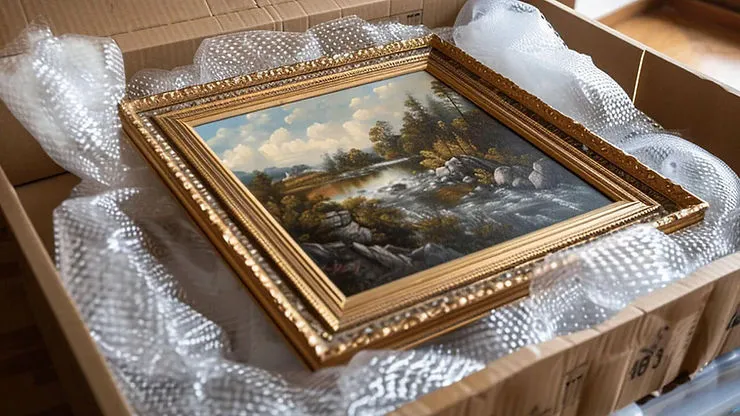
Get the right materials to protect your pictures during the move. Good packing supplies prevent damage and provide cushioning. Use picture boxes in various sizes to fit different frames. Get bubble wrap for cushioning - use small bubbles for delicate items and large bubbles for general protection. Use packing paper as the main protective layer around pictures.
Preparing Pictures
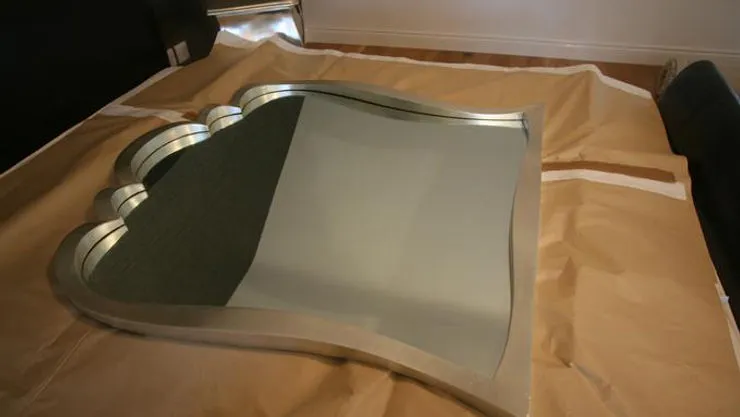
Handle each picture carefully based on its type and value. Work on a clean, soft surface using blankets or towels. Remove pictures from frames slowly and carefully. Different frames come apart in different ways - some have tabs or clips that can be used to pry them open. Don't force anything that won't budge.
Packing Techniques
Pack strategically to maximize protection and use box space efficiently. Good technique prevents damage from shifting and impacts. Start by reinforcing box bottoms with extra tape and adding cushioning material—layer pictures with cardboard sheets or foam boards between each piece. Pack pictures vertically instead of stacking them flat; this reduces pressure and distributes weight more evenly.
Labeling for Identification
Comprehensive labeling systems facilitate proper handling while streamlining unpacking and organization at your destination. Clear identification prevents mishandling and speeds up the settling-in process.
Securing in Moving Boxes
Final protection steps prevent damage during the most vulnerable phases of the moving process when packages are handled the most and are at the greatest risk of potential impacts. Bottom cushioning creates protective foundations that absorb impacts from below while providing stable bases for stacked pictures.